
Old Rattle and Shake
The Bermuda Railway Trail, also known as the “Old Rattle and Shake,” holds a special place in the heart of Bermuda’s cultural and historical landscape. Spanning approximately 18 miles (29 km) from St. George’s in the east to Somerset in the west, this scenic trail offers a unique journey through some of Bermuda’s most picturesque landscapes, including lush greenery, coastal views, and historical artifacts. Its history, from its inception as a railway to its transformation into a beloved walking and biking trail, reflects Bermuda’s adaptation and preservation efforts over the years.

The railway in use
The Bermuda Railway itself was a product of necessity and innovation. In the early 20th century, Bermuda’s growing tourism industry and the limitations on automobiles led to the need for an island-wide transportation solution. The idea of a railway was proposed and, after much debate, construction began in 1926. The project faced numerous challenges, including the island’s rocky terrain, narrow landmass, and the need for numerous bridges and trestles to connect the archipelago’s islands. Despite these hurdles, the railway was completed and officially opened in 1931.
During its time of operation from 1931 to 1948, the Bermuda Railway served multiple purposes, significantly impacting the daily life and economy of Bermuda. Its primary function was to provide public transportation for both residents and tourists across the island, connecting various communities, businesses, and scenic attractions.
- Passenger Transport: The Bermuda Railway was a crucial mode of transportation for locals, offering a reliable and scenic way to commute between towns and parishes. Before the railway, transportation options were limited, primarily to horse-drawn carriages and bicycles, as the use of motor vehicles was heavily restricted. The railway provided a new level of accessibility and mobility, making it easier for people to travel for work, education, and social engagements.
- Tourism: Bermuda’s tourism industry was a significant beneficiary of the railway. The picturesque journey it offered, with stunning coastal views and access to remote areas of the island, became an attraction in itself. Tourists could easily travel from their hotels to various beaches, golf courses, and other attractions without the hassle of road transport. The railway’s operation coincided with a boom in Bermuda’s tourism, and it played a vital role in making the island more accessible and appealing to visitors from abroad.
- Freight and Goods Transport: The railway also facilitated the movement of goods and freight across the island. This was especially important for agricultural producers and local businesses that needed an efficient way to transport their products to markets, ports, and other distribution points. While not its primary function, the railway’s role in goods transport supported the local economy and contributed to the overall infrastructure development of Bermuda.
- Mail Delivery: The railway played a role in the postal service, aiding in the faster and more reliable distribution of mail across the island. This service was essential for maintaining communication, especially in more isolated areas that were difficult to reach by road.
- Cultural and Social Impact: Beyond its practical uses, the railway had a significant cultural and social impact on Bermuda. It became a part of daily life, a place where people met, interacted, and experienced the beauty of the island together. It also contributed to the island’s identity, becoming a symbol of innovation and progress.
The closure of the railway could have been the end of the story, but in the 1980s, the Bermuda government embarked on an ambitious project to repurpose the old railway bed into a recreational trail. The initiative aimed to preserve the historical path while providing a space for outdoor activities, away from the island’s narrow and winding roads. This transformation was both a nod to Bermuda’s history and a step towards promoting environmental sustainability and active lifestyles.
The Trail Today
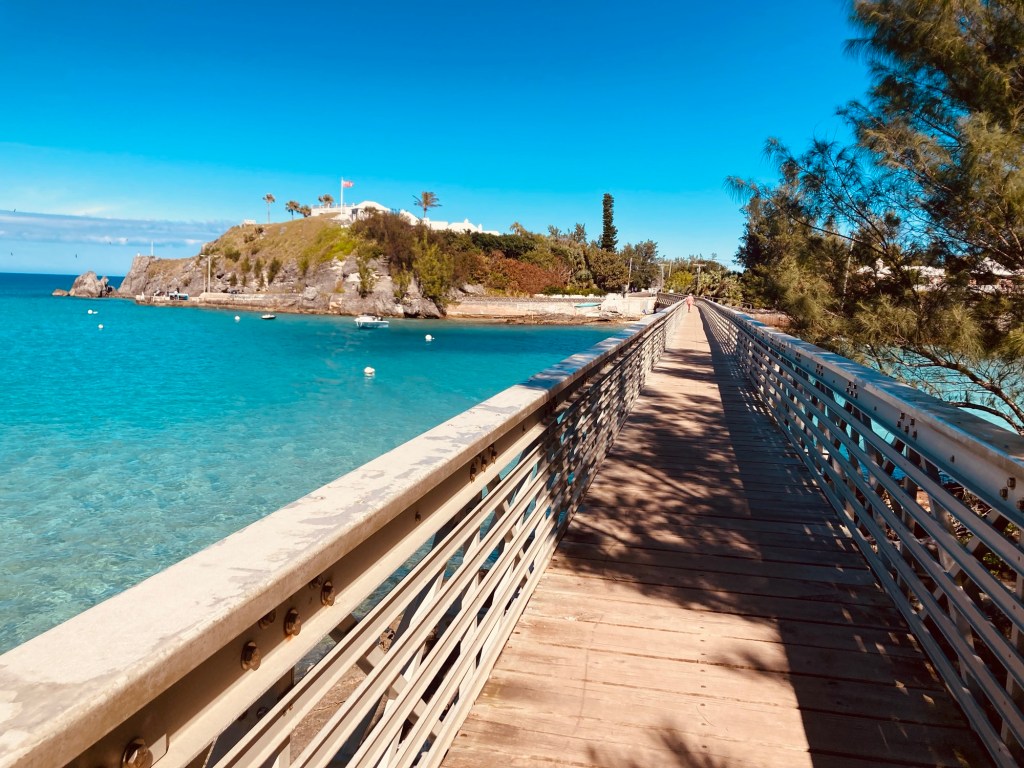
Today, the Bermuda Railway Trail serves as a testament to the island’s commitment to preserving its cultural heritage and natural beauty. The trail is divided into nine sections, each offering a unique glimpse into Bermuda’s diverse landscapes and ecosystems. Hikers, cyclists, and outdoor enthusiasts can explore hidden beaches, dense forests, and historical sites, including restored railway bridges and station houses that dot the route.
The trail is not just a pathway but a living museum, offering educational opportunities about Bermuda’s flora, fauna, and history. Informational signs and guided tours provide insights into the island’s ecological conservation efforts and historical significance. The trail’s accessibility and varying difficulty levels make it a popular destination for both locals and tourists, fostering a sense of community and connection to Bermuda’s natural and historical heritage.
In conclusion, the Bermuda Railway Trail is more than just a path through the island; it’s a journey through time, reflecting Bermuda’s resilience, adaptability, and dedication to conservation. It stands as a symbol of how historical relics can be reimagined and repurposed for future generations, offering a space for reflection, recreation, and education amidst the island’s stunning natural beauty
 Hike Bermuda